Long hours on the road can take a serious toll on a trucker’s health and alertness – especially when sleep apnea is in the mix. In fact, about 28% of commercial truck drivers are estimated to suffer from sleep apnea, a condition that repeatedly disrupts breathing during sleep. Untreated, it can leave you exhausted and five times more likely to be involved in a fatigue-related crash. The good news? With the right knowledge and tools, sleep apnea is manageable – even for long-haul drivers on tight schedules. This post will guide you through what sleep apnea is, why it’s critical to address it, and how to keep yourself healthy, legal, and well-rested on the road. Whether you’re newly diagnosed, already on CPAP, or just looking to learn, read on for practical tips, treatment options, and product recommendations tailored to the mobile lifestyle of truckers.
Understanding Sleep Apnea and Why It’s Important for Truck Drivers
What Is Sleep Apnea?
- Definition: Sleep apnea is a sleep disorder in which your breathing repeatedly stops and starts during sleep. These breathing pauses last at least 10 seconds each and can occur hundreds of times per night, disrupting your sleep cycles. The most common form is Obstructive Sleep Apnea (OSA), where throat muscles relax and block the airway.
- Severity: Sleep apnea ranges from mild to severe. In severe cases, you might experience dozens of apnea events per hour, greatly fragmenting your rest. Often, the person sleeping isn’t aware of these pauses – the condition can go unrecognized and undiagnosed if not specifically tested for.
- Symptoms vs. Diagnosis: Because you can’t observe your own sleep easily, many truckers may have sleep apnea without knowing it. It’s frequently a bed partner or a medical exam that raises the alarm. This makes understanding the signs and getting evaluated crucial (more on that below).
Why Managing Sleep Apnea Is Crucial for Truckers
- High Prevalence in Trucking: Sleep apnea is especially common among truck drivers – roughly one in four to one in three long-haul drivers has the condition. This is due in part to risk factors like long periods of sitting, irregular sleep schedules, and higher rates of obesity in the trucking profession. If you’re a trucker, the odds of encountering sleep apnea in yourself or colleagues are significant.
- Safety Risks: Untreated sleep apnea can drastically impair your driving performance. It causes persistent drowsiness, slower reaction times, and difficulty focusing your eyes – all of which are dangerous behind the wheel. You don’t have to fall fully asleep to get in trouble; even momentary lapses in alertness can lead to accidents. The Federal Motor Carrier Safety Administration (FMCSA) notes that drivers with untreated OSA have a much higher risk of preventable crashes. (Drowsy driving contributes to an estimated 2.2% of all fatal traffic accidents.) In short, managing sleep apnea can literally save lives on the highway.
- Health Consequences: Beyond the road, sleep apnea can wreak havoc on your health. It’s linked to high blood pressure, heart disease, stroke, diabetes, and other chronic issues. Over time, poor sleep weakens your immune system and drains your energy and mood. For a trucker, these health problems can lead to more sick days, medical expenses, or even an inability to maintain your CDL if conditions worsen. Treating sleep apnea helps protect your long-term health so you can enjoy a longer, healthier career.
- Job Performance and Quality of Life: The difference between driving with untreated sleep apnea versus treated is night and day. Drivers who address their sleep apnea report feeling more alert, focused, and in better spirits during the day. This translates to more efficient driving, better fuel management (since alert drivers tend to drive more smoothly), and overall improved job satisfaction. Many companies find that well-rested drivers have fewer incidents and higher retention rates – and as a driver, you’ll simply feel better and safer doing your job.
Recognizing the Symptoms of Sleep Apnea

Common Signs to Watch For
- Loud, Chronic Snoring: Frequent loud snoring is a hallmark symptom. It’s often punctuated by pauses in breathing followed by choking or gasping sounds as you briefly wake to breathe again. (If you sleep in your truck, you might not notice these pauses – but a roommate or sleep study would.)
- Excessive Daytime Sleepiness: Do you struggle to stay awake during the day, even after what should be a full night’s sleep? Unexplained daytime drowsiness and fatigue are red flags. You might find yourself nodding off during breaks, having trouble concentrating, or needing excessive caffeine to get through your shifts.
- Morning Headaches or Dry Mouth: Waking up with headaches, a dry mouth, or a sore throat can indicate sleep apnea. These occur because of lowered oxygen during apnea events and breathing through your mouth at night.
- Irritability and Concentration Issues: Poor sleep quality can make you irritable, depressed, or quick-tempered, and it impairs your memory and focus. You might notice you’re less patient with shippers/receivers or find it hard to concentrate on logs and routes – these could be related to sleep apnea.
Effects on Driving Performance
- Delayed Reaction and Inattention: Sleep apnea’s constant sleep disruptions lead to cumulative fatigue. This fatigue slows your reflexes and decision-making behind the wheel. You may find you brake a second later than you should, or you’re not as quick to respond to a sudden hazard. In trucking, those moments count.
- Microsleeps: Extreme drowsiness can cause “microsleeps” – brief lapses into sleep that last a few seconds. On the highway, a three-second microsleep at 65 mph means traveling the length of a football field effectively unconscious. Even if you don’t fully doze off, being less alert or inattentive can be enough to cause a crash. Unfortunately, people with sleep apnea often underestimate how impaired their alertness truly is.
- Drowsy Driving Danger: It’s no exaggeration to say drowsy driving is as dangerous as drunk driving. The National Highway Traffic Safety Administration estimates that 2.2% of all traffic fatalities involve fatigue or drowsiness. For commercial drivers, the stakes are even higher given the size and momentum of our vehicles. Recognizing that your constant tiredness might be due to sleep apnea – and treating it – is critical for keeping yourself and others safe on the road.
- Performance and Compliance: Symptoms like nodding off or poor concentration don’t just affect safety – they can hurt your job performance too. Missing exits, logbook errors, or delayed reaction to traffic can reduce your efficiency and potentially your paycheck. Moreover, if an accident or inspection occurs and you’re found to have uncontrolled sleep apnea (e.g., reports of frequent fatigue or an undisclosed diagnosis), it could jeopardize your CDL. Thus, addressing the symptoms isn’t just about comfort, it’s about maintaining your livelihood.
Diagnosis: How Truckers Can Get Tested and Qualified
Medical Evaluation and Sleep Studies
- Speak Up About Symptoms: If you suspect you have sleep apnea – for example, you know you snore heavily, or you’re always exhausted – see a healthcare provider. Don’t wait for your next DOT physical to bring it up. A doctor (or sleep specialist) will evaluate your symptoms and medical history. They may use questionnaires or an exam of your throat/neck as preliminary screening.
- Polysomnography (Sleep Lab Study): The standard diagnostic test is an overnight sleep study in a lab or sleep center. You’ll spend a night monitored by sensors that track your breathing, oxygen levels, heart rate, brain waves, and movements. This test, called a polysomnogram, can definitively determine if you have sleep apnea and how severe it is. While the idea of sleeping in a lab attached to wires can sound inconvenient, it provides the most detailed information. If you’re an over-the-road driver, you might plan this for home time or during a break.
- At-Home Sleep Apnea Tests: These days, at-home sleep tests are available and may be a convenient alternative for truckers. Your doctor can prescribe a portable kit that you wear overnight in your truck sleeper or at home. It usually involves a finger oxygen sensor, chest belt, and nasal cannula. The device will collect data on your breathing interruptions. Many drivers prefer this option to avoid taking extra time off – it lets you do the test during an off-duty period without spending a night in a clinic. However, not everyone qualifies for at-home testing (it’s best for those without other major health issues), and if the results are inconclusive, you might still need a lab study.
DOT Physical Exams and Sleep Apnea Screening
- What Examiners Look For: During your required Department of Transportation DOT medical exam, the examiner will assess if you might be at risk for sleep apnea. There is no blanket federal rule mandating sleep apnea tests for all drivers, but examiners follow medical guidance and their own judgment. They’ll flag risk factors like:
- High Body Mass Index (BMI): Obesity is a major contributor to OSA. A BMI over 30, and especially ≥35, raises suspicion.
- Large Neck Circumference: A neck size above ~17 inches in men (16 inches in women) is correlated with sleep apnea.
- Hypertension: High blood pressure often coexists with sleep apnea.
- Diabetes or Metabolic Issues: These conditions are common in overweight individuals and can be associated with OSA.
- Observed Sleepiness or History: If you admit to nodding off or having micro-sleeps, or if your exam involves a questionnaire where you score high on sleepiness, the doctor will take note.
- Referral for a Sleep Study: If you have multiple risk factors or symptoms, the medical examiner may require that you get a sleep apnea test before granting or renewing your medical certificate. In practice, they might issue a temporary 3-month certificate to give you time for a sleep study. For example, an examiner could grant a 90-day conditional card if you’re high-risk for OSA but not yet diagnosed, pending completion of a sleep study. If you don’t follow through, you won’t get re-certified after that period. It’s far better to get tested and treated than to risk losing your driving privileges.
- Be Proactive – Don’t Wait: Smart drivers take initiative. If you know you’re at high risk (say your BMI is 35+ or you have other health flags), consider arranging a sleep study on your own before your next DOT exam. This way, you can start treatment and have documentation ready, avoiding any downtime. Examiners appreciate when a driver comes in prepared with results or evidence that a condition is under control. It shows you take safety seriously. Plus, if it turns out you don’t have sleep apnea, having that test result in hand will put the examiner’s and your mind at ease.
Treatment Options for Sleep Apnea (CPAP and Alternatives)
CPAP Therapy: The Gold Standard
- How CPAP Works: Continuous Positive Airway Pressure (CPAP) therapy is the front-line treatment for obstructive sleep apnea, especially moderate to severe cases. It consists of a machine that pumps air at a prescribed pressure through a mask you wear while sleeping. The gentle air pressure acts as an “air splint” to keep your throat open, preventing those breathing pauses. CPAP doesn’t involve medication – it’s a mechanical solution that is highly effective when used properly. Many truckers notice an immediate improvement in their sleep quality and daytime alertness once they adapt to CPAP therapy.
- CPAP and Your CDL: For truck drivers, using CPAP is often not optional but required. If you are diagnosed with moderate or severe OSA, a DOT medical examiner will expect to see that you are undergoing treatment (usually CPAP) to remain qualified to drive. In other words, you can keep your CDL as long as you treat the condition successfully. Fortunately, most cases of sleep apnea can be treated effectively. CPAP is the most common and FMCSA-endorsed therapy.
- Consistency and Compliance: The key with CPAP is consistent nightly use. It’s not a treatment you can skip on nights you feel “too tired” – in fact, those are the nights you need it most. Truck drivers on CPAP are typically required to prove compliance with therapy, meaning you must use it at least 4 hours per night on at least 70% of nights (this is the standard benchmark). Modern CPAP machines record your usage data on a smart card or internal memory. Many devices even upload the data via cellular or Bluetooth. This data will be reviewed by your doctor or during DOT exams to ensure you’re using the CPAP enough to make your condition safe. We’ll discuss compliance monitoring more in the compliance section, but the takeaway is: once you start CPAP, commit to using it every time you sleep. It only works if you wear it.
- Tips for Success: Adjusting to CPAP can be challenging at first – some find the mask uncomfortable or the airflow strange. Don’t give up. Try different types of masks (nasal pillows, full-face masks, etc.) to find one that’s comfortable for you. Use the ramp feature on your machine (starts with lower pressure and gradually increases) to help you fall asleep. Keep the equipment clean and well-maintained. With a bit of patience, CPAP can literally be a lifesaver, giving you back healthy sleep and the energy you need for long drives.
Alternatives and Supplemental Treatments
- Oral Appliance Therapy: If CPAP just isn’t viable for you (some people cannot tolerate the mask or pressure), an alternative is an oral appliance. This is a custom-fitted mouthpiece (like a specialized sports mouthguard) that you wear during sleep to keep your jaw or tongue in a position that prevents airway blockage. Oral appliances can effectively treat mild to moderate sleep apnea for some users. However, for truck drivers, CPAP is usually the preferred and expected treatment – medical examiners generally will not certify an oral appliance in lieu of CPAP unless there’s a documented CPAP intolerance or failure. In practice, that means you’d likely have to try CPAP first, and if it truly cannot be used (due to, say, severe side effects), then under a doctor’s guidance you could switch to an oral device. If you do use an oral appliance, be aware you’ll need to demonstrate it’s working (often through a follow-up sleep study) and possibly show compliance data (some newer oral devices can record wear time).
- Weight Loss: One of the most impactful treatments for OSA is weight reduction. For many overweight drivers, losing even a portion of excess weight can markedly improve sleep apnea. In some cases, significant weight loss (through diet changes or bariatric surgery) can even resolve sleep apnea to a level that treatment is no longer needed. Weight loss tends to be a slower process, but it works hand-in-hand with other therapies: as you shed pounds, your apnea events per hour usually decrease. Given that nearly 70% of long-haul truckers are obese, weight management (discussed more later) is a critical part of managing sleep apnea. Even if you’re on CPAP, weight loss can make the CPAP work better (you might eventually need a lower pressure) and improve your overall health.
- Positional Therapy: Some people have sleep apnea primarily when sleeping on their back. A simple fix in those cases is positional therapy – i.e., training yourself to sleep on your side. There are special belts or shirts with foam blocks that make it uncomfortable to roll onto your back, thus keeping you lateral. This isn’t a guaranteed fix (many have apnea in all positions), but for milder cases it can help or be used in combination with other treatments. It’s a low-tech option that truckers can try, especially if you notice your symptoms are worse when lying flat on your back.
- Surgery and Advanced Therapies: In certain situations, medical professionals may consider surgical or other high-tech interventions:
- Upper Airway Surgery: Procedures like UPPP (uvulectomy and palate surgery) or tonsillectomy can remove or tighten floppy tissues in the throat. These surgeries have mixed success rates and recovery downtime, so they’re not first-line for most drivers. They might be considered if you have abnormal anatomy (like huge tonsils) contributing to apnea.
- Inspire Implant (Hypoglossal Nerve Stimulator): This is a newer FDA-approved treatment for moderate to severe OSA, used in those who can’t tolerate CPAP. A small device is implanted in your chest with a wire to a nerve that controls tongue movement. Each night, you activate it with a remote, and it stimulates the tongue to keep the airway open. It’s like a pacemaker for sleep apnea. While effective for some, it involves surgery and follow-ups, and currently it’s less common in the trucking community due to cost and availability.
- Supplemental Oxygen: Rarely, some with sleep apnea (especially if combined with conditions like COPD) might use a little oxygen at night in addition to CPAP or other therapies, but this is case-by-case and not a primary treatment for OSA itself.
- Medications: There are no medications that cure sleep apnea. However, if residual daytime sleepiness persists even after treatment, doctors sometimes prescribe wakefulness-promoting agents (like modafinil/Provigil) in addition to treating the cause. These should only be used under close medical supervision, and they do not replace the need for CPAP or other primary therapy. Essentially, don’t fall for any pills or supplements claiming to fix sleep apnea – the effective approaches are those above.
In summary, CPAP is the mainstay for managing sleep apnea on the road, but there are other options in the toolbox. Many drivers use a combination (for example, CPAP plus weight loss plus good sleep habits) to get the best outcome. Work with your healthcare provider to figure out the plan that gets your apnea under control and fits your mobile lifestyle.
Managing Sleep Apnea on the Road: Practical Tips for Long-Haul Drivers
Establishing a Sleep-Friendly Routine
- Prioritize Your Sleep Schedule: Treat sleep as non-negotiable, essential work. Plan your runs and Hours-of-Service compliance so that you allow a full 7–9 hours for sleep within each 24-hour cycle. It’s tempting to cheat on sleep to squeeze in more miles, but that’s a dangerous trade-off. Stick to regular bedtimes and wake times as much as possible, even on weekends or home time, to keep your body’s clock steady. If you have to drive nights, try to keep a consistent night-driving schedule rather than flip-flopping between day and night shifts.
- Avoid the Graveyard Shift: When feasible, schedule driving time during daylight or early evening hours and minimize driving in the overnight window (midnight to dawn). Human bodies are naturally wired to sleep at night, and the period between roughly 12 a.m. and 6 a.m. is when your alertness is lowest. Many truckers can’t avoid night driving entirely, but if you have any flexibility, remember that driving through the night greatly increases fatigue. If you must drive overnight, be extra vigilant with rest – consider an evening nap before a midnight departure, and use caffeine strategically (early in your shift, not toward the end when it will hurt your daytime sleep).
- Regular Breaks and Naps: Take advantage of rest breaks to refresh yourself. A short 20–30 minute power nap during the day can do wonders if you’re feeling drowsy (just not too close to your main sleep time). Even a brief stop to stretch and get some fresh air every few hours can help maintain alertness for when you’re back on the road. With sleep apnea, you’ll hopefully feel more consistently energetic once treated, but long hours driving would tire anyone – so listen to your body and rest as needed, within the bounds of safety and regulations.
Creating a Restful Sleep Environment in Your Cab
- Dark, Quiet, and Cool: Your sleeper berth should be as dark and quiet as possible to promote deep sleep. Use blackout curtains or windshield screens to block out streetlights or early morning sun. Wear an eye mask if necessary. To tackle noise (idling trucks, reefers, highway sounds), consider foam earplugs or a white noise machine (there are small ones, or use a phone app) to drown out disruptions. Some drivers run a fan or the truck’s ventilation for consistent background noise.
- Comfortable Bedding: Invest in a good mattress or mattress topper for your truck’s bunk. The standard issue mattress might be too firm or thin for quality sleep. Memory foam toppers or higher-quality truck mattresses can significantly improve comfort. Also use pillows that support your head and neck – some truckers with sleep apnea like a slightly elevated pillow to help keep airways open. Make sure you have enough bedding to stay warm in winter (or a sleeper heater working), and breathable sheets for hot weather. A comfortable sleeper means less tossing and turning and more time in restorative sleep stages.
- Cabin Climate: Aim for a cool cabin temperature at night (around 60–67°F is ideal for sleep). If your truck has an APU or climate control, set it to keep you cool. In summer, ventilate the cab before sleeping or use a fan. In winter, don’t overheat the bunk; use blankets as needed so you can still breathe cool air. Fresh air can also help – if it’s quiet and safe, cracking a window for some ventilation can make the space less stuffy (just be mindful of diesel fumes if parked near other idling trucks).
- Reduce Interruptions: Plan your parking to minimize mid-sleep disturbances. If possible, stop at quieter truck stops or rest areas rather than on the shoulder of a busy highway. Park away from reefers or other likely noise sources when you can. If you’re a light sleeper, consider putting your phone on do-not-disturb and letting dispatch know not to call during your sleep break unless it’s urgent. The goal is to actually stay asleep for as much of your allotted rest period as possible. Every interruption (phone call, loud bang, bright light) can jolt you out of deep sleep.
- Routine Wind-Down: Develop a pre-sleep routine to signal your body it’s time to rest. This might include dimming the lights in your cab, doing a few minutes of reading or listening to calming music, or practicing relaxation techniques (deep breathing, gentle stretching). Avoid engaging work-related or stressful tasks right before bed – no checking load boards or arguing with dispatch on the phone in your last waking minutes. And avoid screen time (phone, tablet) for at least 30 minutes before bed if you can; the blue light from screens can trick your brain into thinking it’s daytime. If you do use a device, consider blue-light filtering glasses or apps.
Using and Maintaining Your CPAP on the Road
- Never Skip a Night: Consistency is critical – use your CPAP every single time you sleep, even for short naps. Skipping one night can set you back, as your body might revert to fragmented sleep and you’ll feel the difference the next day. Make it as routine as putting on a seatbelt: when it’s time to sleep, mask up and turn on your machine. If you find yourself rationalizing “I’m too tired to set it up tonight,” remember that running it will actually give you better rest and more energy tomorrow.
- Power Solutions: One challenge for truckers is powering the CPAP in the truck. Fortunately, most trucks and CPAP machines are compatible. Many CPAPs (including travel units) can run on DC power from a 12-volt cigarette lighter socket with the right adapter, or directly from an APU if your truck has one. You might also invest in a power inverter (if your truck doesn’t already have one built-in) to convert DC battery power to AC for your device. Another option is a CPAP battery pack – essentially a rechargeable battery that can power your CPAP for 1–2 nights. This is useful for times you don’t want to drain the truck battery or when you’re sleeping away from the truck (e.g., in a motel during repairs). Always test your power setup before a trip. And carry extension cords or extra straps if needed to position your machine securely in the cab.
- Equipment Cleaning: Life on the road can be dusty and germy, so keep your CPAP equipment clean. Daily: wipe down your mask cushion with a CPAP wipe or mild soapy water (this keeps oils off and maintains a good seal). Weekly: rinse your tubing and humidifier chamber (if you use one) with soap and water, and let them air dry. Some drivers use portable CPAP cleaning devices (like ozone or UV light-based cleaners) – if you do, still occasionally hand-wash because those don’t remove physical residue. Keep extra air filters for your machine on hand and change them as recommended (more often if you’re driving in dusty conditions). A clean CPAP not only lasts longer and works better, but it also prevents issues like sinus infections or funky smells blowing at you all night.
- Mask Fit and Comfort: Moving in your sleep, especially in a truck that might vibrate or shake, can cause mask leaks. Make sure your mask fits well but isn’t overly tight (pressure points can hurt over hours). Consider a CPAP pillow with cut-outs that accommodate the mask if you’re a side sleeper – this can prevent the mask from getting shoved and leaking when your head is on a pillow. If you find the mask uncomfortable, talk to your equipment provider about trying different styles (nasal pillows, nasal mask, full-face mask) until you get the best one. The more comfortable you are, the more likely you’ll keep it on all night.
- Humidity and Temperature: If you’re using CPAP in a cold truck, you might experience “rainout” (water condensing in the hose from the humidifier). Using a heated hose or insulating the hose can help, as can turning down the humidifier a notch. Conversely, in very dry climates or winter heating, the humidifier can save you from dry throat and nose – just remember to use distilled water (carry a few gallons in the truck) to avoid mineral build-up. Empty the humidifier tank before you drive (so it doesn’t slosh). Little adjustments like these ensure the CPAP remains comfortable in varying conditions on the road.
- Backup Supplies: Prepare for the “what-ifs.” Keep a spare mask cushion or even a full spare mask if possible (if your main one tears or breaks on a trip, you won’t want to wait days to replace it). Have extra straps or headgear clips, and at least one extra CPAP hose rolled up in storage. Filters we mentioned – have spares. If your machine uses an SD card for data, make sure it’s inserted properly; if it fills up, have a spare or know how to transmit data so it can be cleared. Basically, carry a small CPAP “toolkit” so that nothing stops you from using the therapy nightly. It’s akin to carrying spare fuses and belts for your truck – a little foresight prevents big problems.
- Integration with Life on the Road: Incorporate CPAP into your routine just like you do your pre-trip inspections or meal breaks. For example, about 30 minutes before you plan to sleep, start setting up your bunk: draw the curtains, set up your CPAP machine, fill the humidifier, and turn on any inverter or APU needed. This “wind-down” not only makes sure the CPAP is ready, but it also mentally prepares you for rest. In the morning, give yourself a few extra minutes to properly stow the CPAP: empty water, secure the unit so it won’t fall, etc. After a while, it will become second nature, and you’ll wonder how you ever slept without that steady hum of the CPAP by your pillow!
Managing Fatigue and Staying Alert
- Listen to Your Body: Even with optimal treatment, long hours of driving can make anyone tired. Don’t ignore signs of drowsiness. If you catch yourself yawning repeatedly, blinking hard, or losing focus (missing exits, drifting in your lane), take it seriously. Safe trucking means pulling over to recharge before you reach the point of nodding off. A short nap or a brisk walk at a rest area can prevent a disaster down the road. Remember, as a commercial driver you’re professionally obligated to ensure you’re fit to drive – it’s not only about you, but the motorists around you.
- Use Caffeine Strategically: Coffee or energy drinks can be a helpful tool, but use them wisely. For example, if you know you have to drive late into the night, a cup of coffee in the early part of your shift can promote alertness. However, avoid heavy caffeine intake within 6 hours of your planned bedtime, or it may keep you from falling asleep when you need to. And rely on it only as a supplement, not a crutch – caffeine cannot substitute for proper sleep. If you find you “need” multiple energy drinks just to function each day, it’s a sign your sleep apnea treatment might need adjustment or that you need more sleep time.
- Healthy Habits On Duty: Other little habits can help manage fatigue. Stay hydrated – mild dehydration can cause fatigue, so drink water regularly. Just don’t overdo it to the point of disrupting your driving with bathroom breaks every hour. Eat light, nutritious snacks while driving (nuts, fruit, protein bars) rather than heavy junk food; large meals can make you sluggish. Keep your cab well-ventilated – a bit of cool air can ward off sleepiness. Some drivers chew gum or sunflower seeds to stay alert during monotony. Find what works for you, but again, these are enhancements to, not replacements for, a foundation of good sleep.
- Plan Your Trips with Rest in Mind: Route and schedule planning can reduce fatigue too. Try to arrange your pickups and deliveries with cushion time so you’re not forced to drive exhausted to meet a deadline. Incorporate known safe parking locations into your route where you can rest if needed. Use the split sleeper berth rule if it suits you – some drivers find that breaking their sleep into two periods (e.g., 6 hours at night, 2-hour nap in afternoon) works well for them. The flexibility of HOS can be used to your advantage to manage your alertness.
- Communicate and Advocate: If you’re feeling dangerously tired, communicate with dispatch. Pushing through is not worth the risk. Let them know you need a pit stop for rest – any reasonable carrier would rather have a load delivered slightly late than have a driver fall asleep at the wheel. Also, keep your personal support network (family, friends) aware of your schedule so they understand when not to call or disturb your sleep. And consider connecting with fellow drivers who manage sleep apnea; they might have additional tips and can provide moral support. Online forums or driver groups can be great for this. Knowing you’re not alone in the struggle can make a big difference.
DOT and FMCSA Compliance for Drivers with Sleep Apnea
Medical Qualification and Legal Requirements
- Regulations Overview: While there isn’t a specific “sleep apnea law” saying “thou must not drive a truck with OSA,” there is a broader regulation: a driver cannot be medically qualified if they have any condition that is “likely to interfere with their ability to drive a commercial vehicle safely.” In FMCSA’s view (and the medical community’s), moderate to severe obstructive sleep apnea falls under that category of potentially disqualifying conditions if untreated. Simply put, if your sleep apnea is bad enough that it makes you unsafe on the road, you cannot drive until it’s addressed. However – and this is crucial – with effective treatment, you can regain your qualification to drive. The vast majority of drivers with OSA are able to continue driving once they commit to therapy. There is no desire to sideline drivers unnecessarily; the goal is safety.
- Moderate vs. Severe: How do examiners decide if your sleep apnea is a concern? It often comes down to the Apnea-Hypopnea Index (AHI) from your sleep study – that’s the number of apnea events per hour. An AHI of 5–15 is mild, 15–30 is moderate, over 30 is severe. FMCSA medical guidance generally considers AHI ≥15 (moderate or severe) as needing treatment for a driver. If you’re diagnosed mild (AHI < 15) and have no significant daytime sleepiness, the examiner may still qualify you (possibly with a yearly review). But anything moderate or above typically triggers a requirement for treatment. This is why if you’re borderline, it’s still smart to treat it – it can only help you.
- Medical Certificate Duration: Drivers with diagnosed sleep apnea usually get a one-year medical card instead of two-year. This is to ensure you’re checked annually to confirm you’re managing the condition. If you’re suspected of having OSA but not yet proven, an examiner might issue a very short interim certificate (e.g., 30, 60, or 90 days) pending completion of a sleep test. Once you’re treated and stable, expect annual recertification. It’s important to plan for that – you’ll need to see your sleep doctor regularly (at least once per year, often a requirement) and have documentation ready.
Treatment Compliance and Documentation
- CPAP Compliance Standard: As mentioned earlier, the common benchmark for CPAP usage is 4 hours per night on at least 70% of nights (about 5 nights a week on average). Most sleep doctors and DOT examiners use this rule to gauge if you are adequately treated. When you go for your DOT physical, if you carry a diagnosis of sleep apnea, you must bring proof of compliance – typically a printout from your machine or a report from your CPAP provider showing your usage over the last 30, 60, or 90 days. Ensure that report shows you meet or exceed the 4-hr/70% mark. If it doesn’t, you may be deemed non-compliant and could lose your certification until you improve your usage. It’s that serious. The logic is straightforward: a CPAP not used is no help at all.
- Data Recording: How to get that report? Modern CPAP machines make it easy. Many have built-in cellular modems or Bluetooth. For example, ResMed AirSense/AirCurve and Philips DreamStation devices automatically upload your usage data to a cloud system that your doctor or DME (durable medical equipment provider) can access. If you have one of those, you can simply ask your provider to fax or email you a compliance report. Some travel CPAPs might not have built-in cellular; in those cases, you might need to physically bring the machine’s SD memory card to a provider or use a smartphone app to sync data. Plan ahead for this – don’t realize the day before your physical that you don’t know how to retrieve your data. Make it a habit to periodically check your own stats (many CPAP units show a 30-day compliance summary on the screen or app). That way, you won’t be caught off guard.
- What If I’m Newly Diagnosed? If you just got diagnosed with sleep apnea and haven’t accumulated much CPAP usage yet, examiners often will work with you. Typically, they’ll allow you to continue driving under a temporary certification while you demonstrate a month or so of CPAP compliance. For instance, one common protocol is: you’re given a 1-month card during which you must start CPAP; at about 2 weeks in, you need to show you’re using it regularly, then you get another 3-month card; after 3 months of successful treatment, they issue the standard 1-year card. The exact timeline can vary, but the point is: you won’t be immediately sidelined if you’re addressing the problem. However, you must follow through diligently. From day one of having the CPAP, use it religiously and be prepared to show that data.
- If Using an Alternative Therapy: In some cases, a driver might be treated with something other than CPAP (e.g., an oral appliance or after a surgery). If so, you’ll need documentation from your treating physician that the treatment is effective. For an oral appliance, compliance can be a challenge to prove, but newer devices have chips that log wear time. Regardless, the examiner will likely require a follow-up sleep study or a letter from your sleep specialist stating your apnea is controlled with the appliance or other therapy. Always keep copies of these medical records. Basically, any time you go for a DOT exam after being diagnosed, bring: a letter from your sleep doctor (or treating provider) and evidence of compliance/effectiveness. This will streamline your certification.
- Honesty and Disclosure: You are required to disclose conditions like sleep apnea on your DOT health history form. It might be tempting to not mention it if you think it could complicate things, but failing to disclose is a very risky move. If something happens (like an accident) and it comes to light that you hid a serious diagnosis, the consequences could be career-ending, not to mention legal repercussions. It’s far better to be upfront and show that you’re responsibly managing the condition. Medical examiners are not looking to punish you for having sleep apnea; they just want to ensure it’s treated so you’re safe to drive.
- Staying Compliant Year-Round: Don’t just scramble to use your CPAP 2 weeks before your DOT physical – stay compliant all the time. Not only is it safer and healthier for you, but many machines actually record comprehensive data for up to a year or more. A savvy examiner might look at more than just 30 days if they suspect you’re gaming the system. Plus, insurance companies often require ongoing CPAP use for them to continue covering the device. Consistent use also means consistent good sleep for you, so it’s its own reward. If you have lapses (we’re all human), try to get back on track and aim for those compliance targets continuously.
- Regular Check-ins: Expect that each year (or more often if needed) your examiner or employer may ask for an update. Some large carriers require their drivers with OSA to upload compliance data every few months. Keep in contact with your sleep specialist too – usually an annual visit is recommended to see if the treatment is working well, if you’ve had changes like weight loss/gain that require pressure adjustments, etc. These check-ins are a good opportunity to address any issues (mask fit, machine problems, persistent fatigue) so you remain in tip-top shape.
Tips for Smooth DOT Compliance
- Always Bring Paperwork: A repetition, but worth drilling in: when you go for your DOT medical exam, bring a copy of your CPAP compliance report (printout) and a note from your doctor (if you have one) stating you’re being treated and it’s effective. Don’t assume the examiner will get this info elsewhere. Having a neat folder with those documents can turn a potentially tense exam into a routine one.
- Have a Backup Plan: If your CPAP machine were to break down or malfunction, have a plan. Maybe keep a travel CPAP as a backup or know the nearest place on your route to get a replacement if needed. A lapse in treatment could lead to a lapse in certification if it drags on. So treat your CPAP like mission-critical equipment (as important as your truck’s brakes). Take care of it, and it will take care of you.
- Stay Informed: Regulations and guidelines can evolve. While currently there’s no absolute mandate for sleep apnea screening of all drivers, the FMCSA regularly revisits the topic. Keep an ear out for any changes in rules. Being a member of a professional driver association or following trucking news can help you stay updated. Also, know the rules of any company you drive for – some companies have internal policies about sleep apnea (like mandatory screening for high-risk drivers, etc.).
- Attitude Matters: Show that you take your condition seriously. Medical examiners are people – if they see a driver who is well-informed about their sleep apnea, compliant with treatment, and proactive in their health, they’re likely to be more comfortable issuing that medical card. On the flip side, a driver who seems careless or uninformed will raise red flags. So use the knowledge from this guide not only for yourself but to demonstrate your professionalism. A quick note like, “Yes, I have OSA, but I’ve been on CPAP for the past year, averaging about 6 hours a night use, and here’s my report,” will immediately set a positive tone in your exam.
Bottom line: Compliance is your ticket to a long, safe driving career. Thousands of truckers are out there successfully driving with sleep apnea – and by staying within the guidelines, you can be one of them without jeopardy.
Product Recommendations for Sleep Apnea Management on the Road
Portable CPAP Machines for Truckers
One of the best investments for a truck driver with sleep apnea is a travel CPAP machine. These devices offer the same therapy as a regular CPAP but in a compact, road-friendly package. They’re easier to pack, often designed to handle power variations, and some even have features tailored for mobile use. Here are a few noteworthy options:
- ResMed AirMini: A popular travel CPAP known for its ultra-small size (weighs only about 10 ounces, fitting in your palm). Despite its tiny footprint, it’s packed with features: it uses ResMed’s HumidX waterless humidification system (no bulky water chamber needed) and has an integrated smartphone app. Through the app, you can monitor your sleep stats and get feedback on mask fit and apnea events. The AirMini is FAA-approved for flight and generally well-suited for truck cabs due to its minimal power draw. If you value portability and tech integration, the AirMini is a top contender.
- React Health Luna TravelPAP:** This is a newer travel CPAP that’s been getting attention, especially for those who require higher pressure settings. Weighing about 14 ounces, the Luna TravelPAP is still very lightweight. It includes an auto-ramp feature and can deliver a wide pressure range, making it good for drivers with moderate or even higher pressure needs. It’s designed to be durable and is also FAA-compliant for air travel. Truckers have noted its small size and reliability on the road. If you need a robust machine in a small package, the Luna is worth a look.
- Transcend Micro Auto CPAP: The Transcend Micro is one of the smallest CPAPs on the market, ideal for drivers who are really tight on space. It offers auto-adjusting pressure, which means it can operate as an APAP (automatically adjusting to your needs throughout the night). Despite its size, it doesn’t skimp on features: it has a quiet operation, a gentle pressure relief on exhale (to make breathing out against pressure easier), and even a drying mode to blow out moisture after use. It’s USB rechargeable and has optional battery modules, making it super flexible for truck use.
- Breas Z2 Auto Travel CPAP: Another compact choice, the Z2 Auto, shines in situations where you need a bit of customization. It provides auto-adjusting pressure and expiratory pressure relief just like a full-sized unit. One of its selling points is that it can be used with an optional inline battery for nights when you don’t have shore power or prefer not to run the truck. It’s also known for having a Q-lite muffler to hush the airflow a bit. For truckers who are light sleepers and bothered by CPAP noise, that can be a plus.
- Full-Size Machines with Mobile Tech: If you have room in the truck and always use an inverter/APU, some drivers simply use their full-size home CPAP in the truck. Devices like the ResMed AirSense 11 or Philips DreamStation 2 are not travel-sized but offer integrated modems and perhaps sturdier humidifiers. They can be used on the road as long as you secure them well. Some models even have dedicated DC power cables. The advantage is familiarity and often a bit quieter operation, though at the cost of size. If you go this route, consider a secure strap or mount so it doesn’t become a projectile if you brake hard.
Note: Whatever CPAP you choose, make sure it’s compatible with your power setup. Many travel CPAPs are designed with truckers in mind and will list options for 12V or battery use. Also, check if the machine has a data recording and transfer method that suits you (most do, but some very basic travel units might require manual data retrieval which could complicate compliance reporting). The ones listed above all have means to get your compliance data either via app, Bluetooth, or a memory card. In some cases a perscription may be needed.
Power and Accessory Must-Haves
To make CPAP therapy truly truck-friendly, a few accessories and add-ons can be extremely helpful:
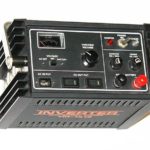
- Reliable Power Inverter or DC Adapter: As mentioned, powering your CPAP is priority. If your truck doesn’t have an inverter, consider installing a good one (pure sine wave inverters are best for sensitive electronics) of sufficient wattage. Alternatively, check if your CPAP model offers a 12V DC adapter cable – many do, which lets you plug directly into the cigarette lighter/power port and run off the truck battery. Using a DC adapter can be more efficient than using an inverter (since you avoid converting DC->AC->DC again). Always follow the manufacturer’s recommendations for power. And remember to manage your truck’s power: if you don’t have an APU, running CPAP all night on battery could drain it – some drivers idle the truck or have auto-start systems to prevent dead batteries. Others use dedicated CPAP battery packs, which can be recharged while driving and then used at night. Figure out a system that guarantees your CPAP won’t cut out at 3 a.m. due to low power.
- CPAP Battery Pack: If you often find yourself sleeping where power is uncertain (say on an off-grid lot or you don’t want to idle), a portable CPAP battery is a great investment. Brands like Medistrom (Pilot Lite series) or Zopec make lithium-ion batteries specifically for CPAPs. These usually give 1–2 nights of power, depending on pressure and whether you use a humidifier. They are also handy as backup if your inverter fails. Some can be charged via solar panels or the truck’s alternator. It adds peace of mind that no matter what, you can use your CPAP.
- Mask and Hose Accessories: Life in a truck means tight quarters, so little things can make a difference. A hose holder or clip can keep your CPAP tubing from tangling or pulling when you roll over – you can MacGyver one or buy a small gadget that attaches to the bunk or a velcro strip on the wall. Consider quick-release connectors for your hose if you frequently disconnect it; it makes setup and breakdown faster. Also, if dry air bothers you and your CPAP has no humidifier, small heat-moisture exchangers (HME filters) can attach between the mask and hose to add some humidity (some travel CPAPs include these).
- Cleaning Supplies: Keep a stash of CPAP wipes (aloe or alcohol-free) in the truck. They’re great for a quick daily wipe of the mask. A small spray bottle of gentle soap solution is good for rinsing things out. If you want to get fancy, there are compact CPAP sanitizers (like the SoClean or Sleep8, etc.), but these are optional. At minimum, regular manual cleaning is effective and inexpensive.
- Comfort Items: Don’t forget general sleep comfort accessories: a sleep mask to block light, earplugs to block noise, and maybe a white noise machine app or device to mask sudden sounds. These aren’t CPAP-specific, but they complement your therapy by ensuring external factors don’t ruin your sleep. Some drivers also use nasal strips or saline nasal spray before bed to ensure clear nasal breathing (important if you use a nasal mask). And if you find your CPAP dry or your throat irritated, throat lozenges or a humidifier adjustment can help – so keep small items like a bottle of water near your bunk or a packet of lozenges.
- Truck Cabin Comforts: Since you’ll be spending a lot of time in that sleeper, consider upgrades that indirectly help your sleep apnea management by giving you better rest. This might include a bunk heater or fan for temperature control without idling, window rain guards to crack windows even in bad weather, or even portable air purifiers if you’re sensitive to dust/pollen when sleeping (there are small 12V purifiers that can clean the air in your cab). A cleaner, more comfortable environment means you sleep better and get the most out of your CPAP therapy.
Apps and Tech Tools for Sleep Health
In the digital age, your smartphone can be a useful companion in managing sleep apnea. Here are some tech tools and apps that truckers might find helpful:
- CPAP Manufacturer Apps: Most modern CPAP machines come with companion apps. For example, ResMed’s MyAir app or Philips DreamMapper app. These apps connect to your CPAP (via Bluetooth or cloud) and let you easily check your nightly usage, AHI, leak rates, etc. They often gamify compliance – giving you a score or badge for using the CPAP all night. This instant feedback can be motivating and also informative. If something went wrong (like your mask leaked a lot), you’ll see it in the morning and can adjust. Tip: Use these apps to track your progress and even show data to your doctor or examiner if needed (though official reports are usually needed for DOT, the app can give you a quick idea of your compliance percentage).
- Sleep Tracking Apps: If you want to understand your sleep patterns better, apps like SleepCycle, SleepScore, or SnoreLab can be useful. SnoreLab, for instance, uses your phone’s microphone to record and measure your snoring overnight. It can show how loud and frequent your snoring was and even identify patterns (e.g., snoring reduced on nights you used CPAP or didn’t drink alcohol). This is a great way to visually see the benefit of your treatment – on CPAP, ideally, your snoring should be almost zero. SleepCycle and similar apps use motion or sound to estimate your sleep stages and debt. While they’re not as accurate as a medical device, they can give you some sense of whether you’re sleeping deeply or tossing and turning. Just be cautious: these apps work best in a quiet environment, so if you’re at a noisy truck stop, the data might be skewed.
- Fatigue Management Apps: There are a few apps designed to combat drowsy driving. Some, like Drive Alert or Stay Awake, use the phone’s camera to monitor your face and alert you if your eyes close for too long. Others might give you reaction-time tests to gauge how alert you are. Additionally, trucking logistics apps (like some ELD systems) can help by suggesting break times or monitoring hours to ensure you rest. While none of these is foolproof, they can be another layer of safety. For example, taking a quick reaction time test during a rest stop might reveal you’re slower than you thought – indicating you need more rest before continuing.
- Health Monitoring Wearables: Fitness trackers or smartwatches (Fitbit, Apple Watch, Garmin, etc.) often have sleep tracking and even blood oxygen sensors. A wearable that records overnight SpO₂ (oxygen saturation) can sometimes flag drops in O₂ that correlate with apnea events. If you notice frequent low oxygen readings or a high “disturbance” index on your tracker, it’s a cue to discuss with your doctor – maybe your CPAP pressure needs adjustment. Some wearables can also smart-alarm you at an optimal time (when you’re in light sleep) so you wake up feeling less groggy, which is handy for drivers who have some flexibility in wake-up times.
- Reminder and Wellness Apps: Managing sleep apnea is also about overall wellness. Apps like Headspace or Calm offer guided meditations that can help you relax at bedtime or during stressful moments. Even a hydration reminder app to keep you drinking water can indirectly improve your energy levels. The goal is to use technology not as a distraction, but as a support system for healthy habits. Just remember to turn off notifications or set your phone to night mode when you’re actually sleeping, so it doesn’t wake you up.
By combining these products and tech tools with your treatment, you create a comprehensive support system. You’ll have the hardware (CPAP, accessories) keeping your airway open, and the software (apps, trackers) keeping you informed and on track. Truckers often say it takes a bit to dial in the perfect setup, but once you do, you’ll wonder how you managed before. A well-rested truck driver is a safer and happier driver, and investing in these solutions is investing in your career and life.
Lifestyle Adjustments for Better Sleep Health on the Road
Treating sleep apnea with CPAP or other methods is vital, but it’s only one piece of the puzzle. To truly thrive, long-haul truckers should also make targeted lifestyle changes. These not only improve sleep apnea, but boost overall energy, health, and longevity.
Healthy Diet and Weight Management
- The Weight–Sleep Apnea Connection: Excess weight is a primary risk factor for OSA – fatty tissue around the neck and abdomen can worsen airway collapse. Unfortunately, truck drivers face an uphill battle: long hours of sitting and limited healthy food options mean obesity rates are high (about 69% of long-haul truckers are obese, more than double the general workforce). The good news is that even modest weight loss can lead to meaningful improvements. Studies show losing roughly 10% of your body weight can reduce sleep apnea severity by around 30% or more. So, if you’re carrying extra pounds, weight management is one of the best “treatments” you can give yourself.
- Eating Better on the Road: Adopting a healthier diet isn’t easy in the land of chicken-fried steak and all-you-can-eat buffets, but it is doable with planning:
- Plan and Prep: Whenever possible, stock your truck with healthier options before you hit the road. Pack a cooler with fruits (apples, bananas), cut veggies (carrots, celery with peanut butter), Greek yogurt, nuts, whole-grain crackers, etc. High-protein snacks like beef jerky (low-sodium if you can) or protein bars can keep you satiated without a sugar crash.
- Choose Wisely at Stops: Many truck stops now have salads or grilled chicken sandwiches as alternatives to burgers and pizza. Opt for lean proteins and veggies when you can. Skip the fries and get a side salad or fruit cup. If you’re at a buffet, fill up on greens and lean meat first, then have smaller portions of the heavier stuff if you must.
- Watch Portions: It’s tough, but try not to eat huge meals right before sleeping. A big meal can not only pack on weight but also disturb your sleep (your body’s working to digest). Instead of one giant meal a day, aim for smaller meals every 4–5 hours to keep your metabolism steady.
- Limit Sugar and Processed Carbs: Sugary drinks (soda, sweet tea, energy drinks) and refined carbs (white bread, pastries) give quick energy but then lead to crashes and weight gain. Transition to water, unsweetened iced tea, or zero-calorie drinks. Use caffeine in moderation and not loaded with sugar. For carbs, choose whole grains when available (brown rice, whole wheat bread).
- Keep Hydrated, Smartly: Drink plenty of water throughout the day; dehydration can make you feel tired and is often mistaken for hunger. But try to cut off heavy fluid intake an hour or two before bedtime to reduce midnight bathroom trips (especially important for sleep apnea folks who might already wake frequently).
- Tracking and Support: Consider using an app like MyFitnessPal to log your food – seeing calories and nutrients can inform better choices. And celebrate small wins: every pound lost is less pressure on your airway (and your truck climbing hills!). Some drivers start weight-loss competitions with colleagues or use social media for accountability. Find what motivates you – maybe it’s being healthier for your family, or the promise of coming off a blood pressure medication. Every healthier meal is a step toward better sleep and a better you.
Incorporating Exercise into Your Routine
- Move Whenever You Can: Sedentary job doesn’t have to mean sedentary life. Even short bursts of activity can add up and improve your fitness:
- Stretch and Walk: At every truck stop or loading dock, take 5–10 minutes to walk around and stretch. Do some shoulder rolls, neck stretches, back twists – not only does this help your body, it relieves stiffness from driving. A brisk walk around the parking area or around your truck a few times gets your blood flowing.
- Cab Workouts: You’d be surprised what you can do with minimal space and no equipment. Keep a pair of resistance bands in the truck; you can do arm curls, rows, and leg exercises with them. Bodyweight exercises like push-ups, squats, lunges, and planks can all be done in or next to your truck. Even 15 minutes of exercise during your downtime can burn calories and boost your metabolism. There are fitness apps and YouTube videos specifically with routines for truckers or travelers that require little space.
- Use What’s Around: Get creative – some rest areas have fitness zones or simply use a picnic bench for step-ups. Carry a jump rope for quick cardio (if your knees can handle it). If you’re waiting on a long load/unload, that’s a perfect time to get in a workout rather than just sitting. Some truckers carry folding bicycles to take short rides at stops. Others bring along compact dumbbells or kettlebells. Tailor it to what you enjoy; the best exercise is one you’ll actually do.
- Consistency Over Intensity: You don’t need to train for a marathon (unless you want to!). Consistency is key. Aim for at least 30 minutes of moderate exercise most days. This could be broken into 10-minute chunks throughout the day. The benefits are huge: exercise not only burns calories, but improves cardiovascular health, reduces stress, and can even help regulate sleep patterns. Many people with sleep apnea notice better sleep quality when they’re more active during the day. It’s like telling your body, “use energy in the daytime, recharge at night.”
- Safety Note: Always consider safety – don’t exercise in poorly lit or unsafe areas at night. Wear a reflective vest if you’re walking near roads. And stay hydrated, especially in hot weather. If you’re new to exercise or have other health conditions, consult a doctor on what level of activity is appropriate to start. But most can start small and gradually increase.
Practicing Good Sleep Hygiene
“Sleep hygiene” refers to habits and conditions that optimize your sleep. We’ve touched on some environmental factors in the truck, but here are additional habits to cultivate:
- Keep a Consistent Sleep Schedule: Your body’s internal clock (circadian rhythm) functions best with regularity. Try to go to bed and wake up at roughly the same times each day, even on days off. Obviously, trucking can involve odd schedules, but consistency is golden when possible. If you switch shifts (days to nights), give yourself a few days to adjust and stick to the new pattern even on off hours.
- Bed is for Sleep (and CPAP): Train yourself that your bunk is a place for sleeping (and intimacy, if team driving with a partner). Avoid eating meals, doing work, or watching intense movies in the bed. This strengthens the mental association between lying down and falling asleep. It can be tempting to lounge in bed playing on the phone – but if you struggle with insomnia at all, keep those activities to the front seat or a chair.
- Limit Screen Time Before Bed: The blue light emitted by phones, tablets, and laptops can trick your brain into wakefulness. Try to shut off screens at least 30 minutes (ideally 1 hour) before sleep. If you must use a device, use night mode or blue light filters. Some drivers switch to listening to audiobooks or calm music instead of watching videos when winding down.
- Avoid Stimulants Late in the Day: We discussed caffeine – really try to avoid any caffeine after mid-afternoon if you plan to sleep at night. Also be cautious with nicotine; smoking or vaping is a stimulant as well, despite its relaxing ritual, and can keep you from falling asleep quickly. If you’re using nicotine replacement, consider using a step-down patch or gum that won’t deliver as much stimulant by bedtime.
- Don’t Go to Bed Hungry (or Overfull): A light snack can prevent hunger pains from waking you, but heavy meals can cause indigestion that disturbs sleep. If you need a nibble before bed, choose something light and healthy – maybe a piece of fruit, a few almonds, or a small bowl of cereal. Avoid spicy or greasy foods late at night.
- Alcohol – Not a Sleep Aid: It deserves repeating: while alcohol might make you feel drowsy initially, it severely disrupts the quality of sleep and worsens sleep apnea by relaxing throat muscles. It also can cause you to wake up after it metabolizes (ever notice those 3 a.m. wake-ups after drinks?). So it’s best to avoid or minimize alcohol, especially within 3–4 hours of bedtime. This is both for good sleep and because as a trucker, you need to adhere to strict alcohol rules for safety.
- Wind-Down Ritual: Just as you might do a pre-trip inspection ritual, have a pre-sleep ritual. Example: dim lights, perform oral hygiene (brushing teeth, etc.), put on comfortable clothes, do 5 minutes of breathing exercises or meditation, then on goes the CPAP and lights out. Over time, your body recognizes this pattern and will start to relax as soon as you initiate the routine. Consistency here is key; do it the same way each night if you can.
- Mind Your Mind: One of the challenges of being on the road is that your mind can race at night – thinking about routes, delays, family, finances, you name it. This can make it hard to fall asleep. Consider keeping a journal to jot down any nagging thoughts before bed to “park” them until morning. Or use relaxation techniques: progressive muscle relaxation (tensing and relaxing body parts one by one), visualization (imagine a peaceful scenario, like a quiet beach or forest), or even certain breathing patterns (like 4-7-8 breathing). Some drivers find listening to a calm podcast or white noise helps turn off the mental chatter.
- When You Can’t Sleep: If you’re tossing and turning and feeling frustrated after ~20 minutes, sometimes it’s better to get up (or sit up in bed) and do something low-key until you feel sleepy. Keep the lights dim and do a quiet activity (read a few pages of a book, listen to soft music). Then try again. Lying there anxious about not sleeping can make insomnia worse. Just avoid stimulating activities (no checking email or watching action movies).
By honing your sleep hygiene, you complement your sleep apnea treatment. The CPAP can keep your airway open, but these habits ensure that your brain and body are primed to take advantage of that open airway and truly rest.
Avoiding Alcohol, Smoking, and Other Sleep Disruptors
- Skip the Nightcap: As mentioned, alcohol and sleep apnea are a bad mix. Alcohol relaxes the throat muscles even more than usual, meaning your airway collapses more frequently – it can turn mild apnea into moderate, or moderate into severe on a given night. It also blunts your body’s normal “wake up and breathe!” response, so you might have longer and more dangerous breathing pauses. Beyond apnea, alcohol fragments your sleep architecture – you get less REM and restorative sleep. So while a drink might knock you out faster, the quality is worse and you’ll likely wake up not feeling refreshed. Best practice for a trucker (who also has to meet strict alcohol rules for operating): save the beer or whiskey for your home time, and even then, moderation is key. If you do have a drink on the road (say during a 34-hour reset or at a restaurant), try to have it immediately after you’re done driving and well before your sleep period, to allow your body time to metabolize it.
- Smoking Cessation: Smoking (and chewing tobacco) not only raises your risk for various cancers and lung disease, but it also aggravates sleep apnea. Smoke irritates the airway, causing swelling and increased mucus, which narrows your airway diameter – exactly what you don’t need. Smokers are more likely to have snoring and apnea, and even second-hand smoke exposure has been linked to OSA. Quitting smoking can be tough, but it will significantly benefit your sleep and health. Some drivers worry that quitting will make them drowsy due to nicotine withdrawal; if that’s a concern, talk to a doctor about nicotine replacement or other quitting aids that can help smooth the transition. Even cutting down is better than nothing – fewer cigarettes means less inflammation. If you’re not ready to quit, at least avoid smoking close to bedtime and never smoke in the truck cab where you sleep (residual smoke particles can affect you all night). As one study put it, truckers who avoided tobacco had more “healthy and restorative sleep” on their rest breaks compared to those who used tobacco.
- Stimulants and Substances: Beyond the big two (booze and cigs), consider other substances that might mess with your sleep. Avoid large amounts of caffeine late, as we covered. Watch out for certain medications or supplements – for example, pseudoephedrine (a decongestant) can keep you wired, some diet pills or energy supplements contain hidden stimulants, and certain antidepressants can affect sleep cycles. If you’re on any prescription meds, ask your doctor or pharmacist if they could be impacting your sleep or interacting with your CPAP therapy. On the flip side, avoid sedatives or “PM” pain relievers to force sleep – many of those (like pills containing diphenhydramine or other sedating antihistamines) can actually worsen apnea by relaxing muscles too, plus you don’t want to be groggy when you need to wake. Use such aids sparingly and only when truly needed (and not when you’ll be driving soon, obviously).
- Other Sleep Disruptors: Be mindful of things like blue-light exposure (already discussed – screen use is a big one), noise (earplugs/white noise to the rescue), and emotional stress. Stress is harder to avoid, but finding ways to manage it (exercise, listening to music, staying connected with loved ones to not feel lonely, maybe using mindfulness apps) can improve your sleep. A calm mind sleeps better. If you find yourself too alert at night due to job stress or irregular hours, sometimes melatonin supplements can help re-align your body clock – but use under guidance, typically small doses (0.5 to 3 mg) about an hour before desired sleep, and not when you need to be alert within a few hours.
The overarching theme is: create a lifestyle that supports healthy sleep. By reducing harmful inputs (like tobacco, excessive caffeine, and alcohol) and increasing positive ones (like exercise, good nutrition, and stress management), you’re not only helping your sleep apnea but enhancing your overall quality of life. Long-haul trucking is a demanding job – you want to be in the best shape possible to handle it safely and enjoyably. Every bit of effort you put into healthy habits pays off in more energy, better mood, and likely a longer career with fewer medical hiccups.
Remember: Managing sleep apnea isn’t just about a machine or a mandate – it’s about valuing yourself enough to prioritize sleep and health. You deserve to be healthy and well-rested, and with the right approach, you can absolutely achieve that on the open road.
Conclusion
Sleep apnea may be a formidable opponent, but as a long-haul trucker, you have the tools and grit to manage it and keep on trucking. By educating yourself about the condition, staying compliant with treatment, and making smart choices in your daily routine, you transform sleep apnea from a career-threatening danger into a well-controlled aspect of your health.
In this outline, we covered how crucial quality sleep is – not just for passing a DOT exam, but for ensuring you make it home safely after every haul. We defined sleep apnea and underscored its prevalence among drivers, recognized the telltale signs and the importance of getting properly diagnosed, and dived into treatment options like CPAP that can literally be lifesaving. We also talked about life on the road: from practical tips like tweaking your schedule and setting up your sleeper, to must-have gear and apps that make therapy easier. And we emphasized lifestyle shifts – healthier eating, exercising, and kicking bad habits – that amplify the benefits of any treatment you use.
The road ahead (pun intended) with sleep apnea is one many drivers have successfully navigated. There will be adjustments – perhaps using a CPAP every night, planning around medical check-ups, or taking time to prep meals and exercise. But those adjustments pay back dividends in how you feel and perform. Imagine finishing a long drive feeling alert instead of dead-tired, or going through a week of work without those splitting headaches and brain fog. That’s what managing sleep apnea can help you achieve.
Importantly, you’re not alone in this journey. Nearly a third of your fellow truckers are facing the same challenge, and many companies and organizations are now aware and supportive of drivers with sleep apnea. Don’t hesitate to reach out – whether it’s to a healthcare provider, a colleague who’s been through it, or online forums – to share experiences and tips. Sometimes just comparing notes on how someone secures their CPAP in the truck or where they found a good inverter can make your life easier.
Stay proactive: keep up with your treatment, attend follow-up appointments, and monitor your own health. Celebrate your successes (the first time you hit 100% CPAP compliance in a month, or when you drop a clothing size from better eating). Each one is a sign you’re taking control.
In closing, managing sleep apnea as a truck driver boils down to safety and self-care. By taking care of your sleep, you’re taking care of your livelihood and the lives of everyone who shares the road with you. You have the power to greatly reduce the risks associated with this condition. So embrace the tools and tips – from that humming CPAP machine to the jogging-in-place next to your rig – and take pride in the fact that you’re doing what it takes to be a true professional driver: one who puts health and safety first. With your sleep apnea under control, you can focus on the journey ahead – eyes open, mind sharp, and horizon bright.
Safe driving, and sleep well!